
Understanding Fire Safety Compliance for Commercial Buildings in South Africa
Ensuring fire safety compliance is a critical responsibility for building owners, architects, and facility managers in South Africa. Non-compliance not only exposes occupants to unnecessary risks but can also result in legal penalties under the Occupational Health and Safety Act (OHSA 85 of 1993) and National Building Regulations (NBR).
Key compliance requirements include:
Adherence to SANS 10400 Part T: This standard outlines fire protection requirements for buildings, including construction materials, fire resistance levels, and egress provisions. Architects must integrate these requirements during design, while facility managers must ensure ongoing compliance.
Fire Detection and Alarm Systems (SANS 10139): All commercial buildings are required to install compliant fire detection and alarm systems. Regular inspections and functional testing ensure early warning in case of fire, protecting lives and property.
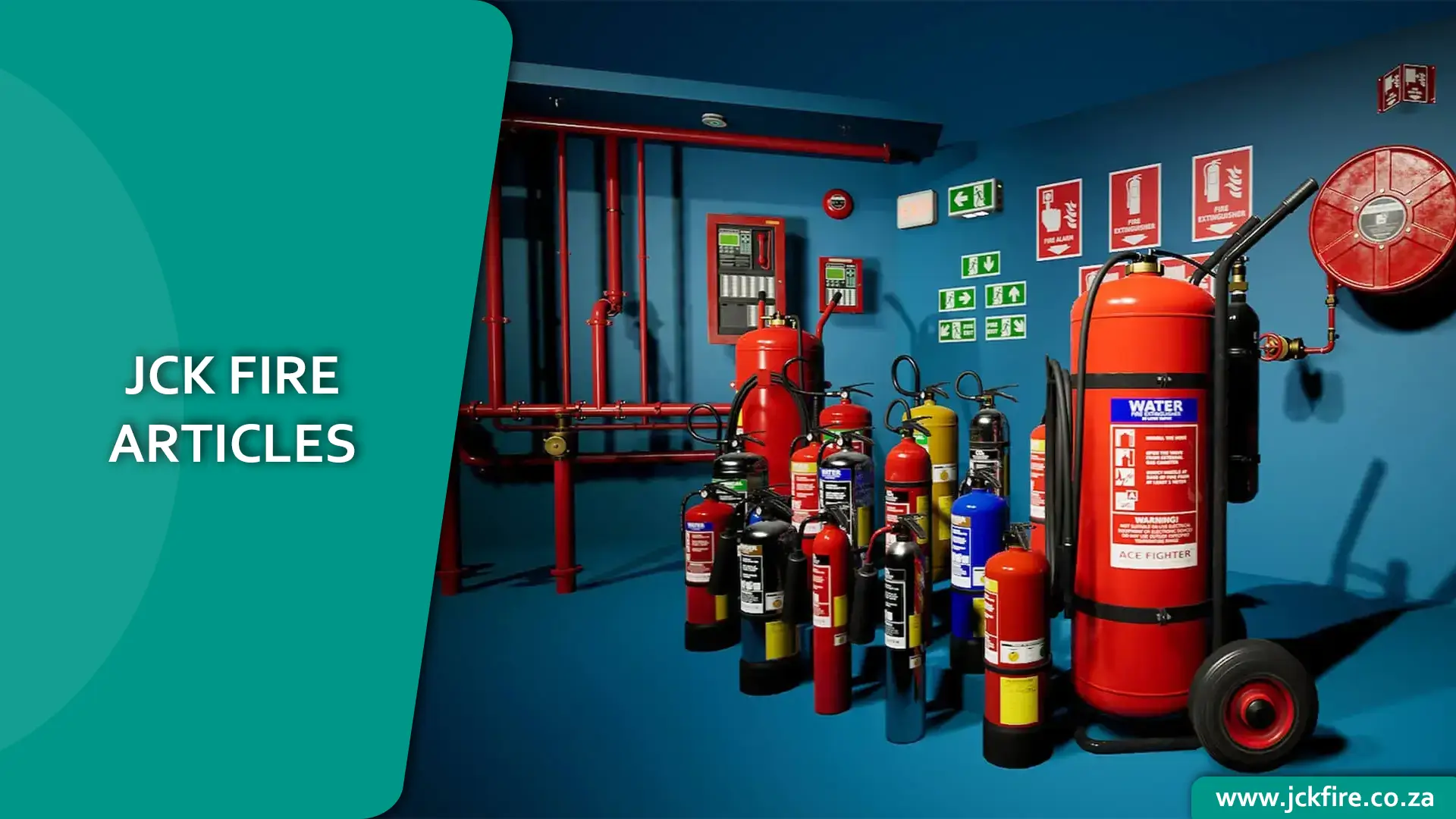
Portable Fire Extinguishers (SANS 10105): Extinguishers must be installed according to building size, occupancy type, and hazard classification. They should be inspected and serviced annually to ensure readiness.
Municipal Approvals: Many municipalities require formal fire compliance certificates before occupancy permits are issued. This includes verified fire safety systems and adherence to local by-laws.
Documentation and Record-Keeping: Maintaining up-to-date fire compliance records, inspection reports, and maintenance logs is essential. Proper documentation protects building owners during audits and emergency investigations.
By staying proactive and engaging experienced fire consultants, building managers can ensure full compliance with South African fire regulations, protecting occupants and assets while avoiding costly legal penalties.